In temperate countries, new growths are usually associated with spring. Colorful flowers also emerge this season. However in the tropics like the Philippines, where only two seasons are observed, new growths appear after the first rains following the long dry season. Rainy season starts usually in May and ends in December. Because we share the same seasons with most of the ASEAN countries, we also share common plants.
I would like to share with you some photos representing our rainy season growths. These are mostly vegetative growths. I also did not include germination, which is also a different group of development. This also doesn't include yet the flowers which are triggered to sprout primarily by the rains. Other flowers' dormancy periods are also ended by the first rains. This will be included in a future post.
By the way, do you wonder why most new growths have reddish or purplish colors? They only change their color to green when they are already fully expanded and moderately mature! Any guesses or true explanations?
By the way, do you wonder why most new growths have reddish or purplish colors? They only change their color to green when they are already fully expanded and moderately mature! Any guesses or true explanations?
.jpg)
A banana sucker passing out through some dried leaf sheaths.
.jpg)
Avocado (Persia americana) with juvenile colors showing in most leaves
.jpg)
.jpg)
Rambutan (Nephelium lappaceum), which produces very ornamental-like bunches of yellow and red fruits at maturity is very common in ASEAN countries. Fruits and mature plants are now posted by Autumn Belle at http://www.mynicegarden.com/
.jpg)
Cat's whiskers (Orthosiphon aristatus), said to have many medicinal properties
.jpg)
.jpg)
.jpg)
.jpg)
.jpg)
.jpg)
.jpg)
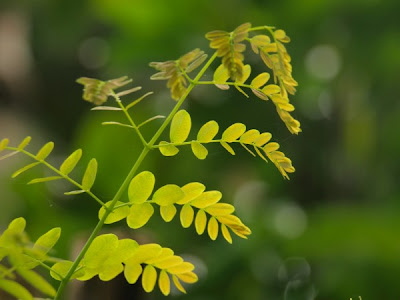
Peacock flower or Caesalpinia pulcherrima, showing the small shoot, as well as the bigger mother stem
.jpg)
A birds' nest fern (Asplenium nidus) unfurling the tip, with a mosquito riding on top
.jpg)
.jpg)
.jpg)
A forest tree which i don't even know the common name, but i apapreciated the colors of the young leaves
.jpg)
Young plantlets along the leaves of succulents serve also as their ready planting materials


